Optimizing Industrial Uptime: A Effective Blueprint for Facility Managers
Operational uptime is one of the most important indicators of operational performance for modern manufacturing and commercial facilities. Unexpected interruptions caused by insufficient cleaning, compressed-air issues, water accumulation or inefficient waste removal can lower productivity and increase servicing expenses. Facility managers can limit these risks by establishing an comprehensive equipment plan covering cleanliness, pneumatic power, fluid management and industrial cleaning. Choosing an appropriate submersible pump, high pressure washer, air compressor and industrial vacuum cleaner is therefore far more than a procurement decision. Each machine should contribute to consistent day-to-day operations while being well matched for the operating environment, anticipated workload and servicing capabilities of the facility.
High-Pressure Cleaning as Preventative Maintenance
Industrial cleaning should be considered part of preventative maintenance rather than simply a routine housekeeping task. Grime, oil, grease, manufacturing residue and accumulated debris can interfere with machinery, create unsafe working conditions and make regular inspections harder to perform. A high pressure washer provides concentrated cleaning power that can remove persistent dirt and contamination from appropriate machinery, floors, walls, vehicles and outdoor working areas.
Choosing the correct pressure-cleaning machine requires evaluation of both pressure and water flow. Higher pressure can provide stronger impact against stubborn contamination, while sufficient water flow helps carry loosened material away from the surface being cleaned. Pressure that is too high, however, may damage sensitive components, seals, coatings or electrical systems. Facility managers should therefore match operating specifications to the intended application rather than simply selecting the most powerful model available.
A commercial pressure washer may be highly practical for warehouses, workshops, manufacturing plants, fleet depots and other facilities where cleaning is frequent. The quality of hoses, nozzle selection, pump reliability, thermal protection and convenient mobility should all be evaluated when assessing equipment for intensive everyday operation.
Enhancing Reliability with the Right Air Compressor
Compressed air supports a broad variety of industrial processes, including air-powered tools, actuators, spraying systems, packaging equipment and production machinery. A correctly selected air compressor helps deliver stable pressure across these applications and reduces interruptions caused by inadequate compressed-air supply.
Selecting an air-compressor machine should begin with an evaluation of required airflow, operating pressure, combined equipment demand and expected operating hours. Selecting equipment solely according to motor size can result in an inefficient system. Facility managers should calculate the total requirements of connected tools while providing an appropriate margin for changes in demand.
Compressed-air leaks can also cause considerable energy waste. Regular inspection of hoses, fittings, valves and distribution lines can help identify pressure losses before they become expensive. Managing moisture is equally important because condensation can promote corrosion and impair sensitive pneumatic equipment. Appropriate filtration, drainage and air treatment can therefore improve the reliability of the entire compressed-air system.
When an Oil-Free Air Compressor Is Appropriate
Some industrial processes require especially clean compressed air. An oil-free air compressor can be beneficial where the risk of oil contamination needs to be reduced, including certain food production, pharmaceutical, laboratory, electronics and high-precision manufacturing applications.
The appropriate compressor should still be selected according to real operating requirements. Required air quality, airflow requirements, pressure, noise, available installation space and maintenance schedules all influence the final choice. Properly matching equipment to the application can promote reliable performance without avoidable energy consumption.
Facility managers should also maintain regular maintenance procedures for filters, drains, connections and cooling areas. Monitoring operating pressure and compressor run time can reveal developing problems and provide useful information for planning preventative servicing.
Managing Water with a Submersible Pump
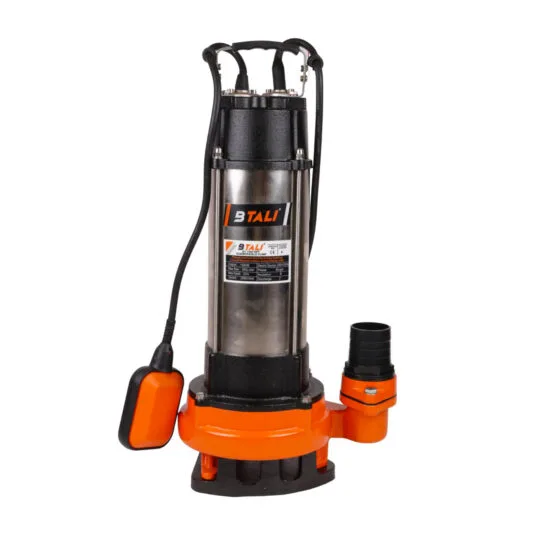
Water build-up can rapidly interrupt operations, particularly during periods of heavy rain, servicing work or unforeseen drainage issues. A submersible pumping unit operates while located within the liquid being moved, making it useful for pits, sumps, tanks, construction areas and other locations where conventional surface pumping may be inconvenient.
Pump selection should consider flow rate, required head, fluid characteristics and the amount of suspended solids. A pump designed for comparatively clean water may not be suitable for sewage, slurry or water containing significant debris. Impeller design and intake configuration therefore have an important influence on dependable operation.
Overheat protection and automated controls can provide extra operational security. Float switches, for example, can automatically activate equipment when water reaches a specified level and stop operation when the level falls. This can help limit the need for manual intervention while helping protect suitable equipment against inappropriate dry operation.
Using a Submersible Utility Pump for Regular Drainage
A submersible utility pumping unit provides a convenient option for general water-transfer and drainage requirements around industrial and commercial properties. It can support tasks such as clearing accumulated rainwater, emptying tanks or dealing with temporary water collection in appropriate areas.
Routine inspection remains important even when pumping equipment operates automatically. Pump intake screens should be kept unobstructed because restricted water flow can lower performance and place extra strain on the motor. Power cables, seals and float mechanisms should also be inspected according to the manufacturer's servicing requirements. Selecting equipment that matches the expected water conditions helps support dependability and service life.
Industrial Vacuuming for Cleaner and Safer Work Areas
Industrial facilities often generate material that ordinary cleaning equipment is not intended to handle. Metal fragments, sawdust, fine dust, packaging waste and production debris can require specialised collection systems. An industrial vacuum system is designed for demanding working environments where durability, filtration and waste capacity are important.
When selecting a industrial vacuum cleaner vacuum cleaning machine, managers should assess the type and quantity of material being collected. Filter requirements are especially significant where fine particulates are present. Effective multi-stage filtration can help retain dust rather than allowing collected particles to escape back to the working environment.
Wet and dry capability can provide versatility where appropriate, allowing one machine to manage different cleaning situations. Facilities should nevertheless follow the equipment manufacturer's guidance regarding liquid recovery, hazardous materials and filter setup.
Creating a Preventative Equipment Maintenance Routine
Preventive maintenance is most effective when maintenance responsibilities and inspection intervals are properly established. Pressure cleaning equipment should receive routine nozzle, hose and pump inspections. Compressed-air systems require drainage, leak inspections and filter maintenance, while pumping equipment benefits from intake, seal and float-switch inspections. Heavy-duty vacuum systems need regular collection-container emptying and filter assessment.
Maintenance records can help facility managers spot repeated faults and determine whether equipment performance is slowly declining. Rather than allowing complete failure, teams can schedule servicing during planned downtime. Maintaining essential consumable parts readily available can further reduce disruption when routine replacement becomes necessary.
Selecting Equipment Around the Entire Facility
Industrial equipment should not be selected as standalone machinery. A facility may require a commercial-grade pressure washer for scheduled cleaning, an efficient air-compressor machine for manufacturing tools, a reliable submersible utility pump for drainage and an industrial vacuum cleaner for everyday cleaning. Each asset works towards the same objective: ensuring safe and productive operations.
Managers should evaluate duty cycles, operating conditions, power consumption, servicing requirements, storage availability and operator capabilities before selecting equipment. Proper operator training is just as important because even reliable machinery can deliver poor performance when incorrectly used or maintained.
Conclusion
Dependable industrial operations depend on effective planning, appropriate equipment and consistent preventative maintenance. Selecting a appropriately selected high pressure washer, pressure-cleaning machine, oil-free air compressor, submersible pump and vacuum cleaner machine can help facilities address everyday operational challenges before they lead to expensive disruptions. By aligning machinery to real operating conditions, inspecting equipment regularly and maintaining clear servicing schedules, facility managers can establish a more dependable infrastructure that maintains productivity, cleanliness, safety and long-term operational efficiency.